




- Published on: 2026-11-04 15:18:00
US Strikes Iran in Hormuz: Brent Settles at $103.60 After Wild Swings, Gold Falls Below $4,000
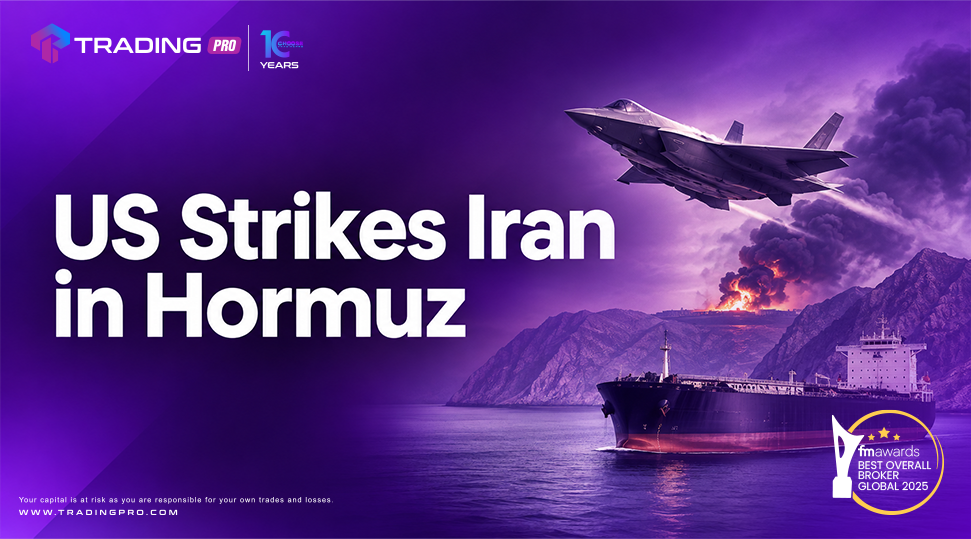
The US carried out limited strikes on Iranian targets in the Strait of Hormuz on Monday night, hours before the US midterm elections. Oil swung hard, with Brent settling at $103.60 on Tuesday after dropping about 7.6% the day before, while gold slipped below $4,000 as the dollar and Treasury yields firmed.
Below, we cover what happened over the past four days, how oil, gold, the dollar and stocks reacted, and what traders may want to watch next.
The Past Four Days at a Glance
- Friday 30 October: Qatari mediators held talks with Iranian officials, and Brent finished October at its highest in six months on fears of renewed escalation.
- Saturday 31 October: Iranian negotiators joined Qatar-mediated talks in Doha, and Foreign Minister Abbas Araghchi said a plan to reopen the strait within two days was under discussion if Washington meets Iran's terms.
- Sunday 1 November: Talks continued. Qatari state media reported that a Qatari LNG carrier was struck in the Gulf, another vessel was hit by an unknown projectile in Hormuz, and Trump said the war would be put away "very soon" one way or the other.
- Monday 2 November: Iran set out its two-day plan, and Brent fell about 7.6% on diplomacy hopes. That night, US forces struck Iranian targets in Hormuz.
- Tuesday 3 November: US midterm elections. Brent swung and settled at $103.60, and gold fell below $4,000.
Timeline details come from CBS News live updates and AP.
US Hits Iranian Targets in Hormuz
A US official told the Associated Press that the US conducted defensive strikes on some Iranian targets in the Strait of Hormuz, and Iranian state television reported explosions on Qeshm Island. The official said the strikes targeted Iranians using surface-to-air missiles against US assets. Unlike earlier in the war, AP reported, the strikes were not publicly announced, and the administration was last known to have carried out attacks in early September.
Talks and Threats Run in Parallel
The strikes landed in the middle of a diplomatic push. AP reported that Trump has alternated between threatening major strikes and pushing for a deal, that Israeli Prime Minister Benjamin Netanyahu urged him in a weekend call to resume military action, and that Qatari mediators held two rounds of talks with Iranian officials last week. Vice President JD Vance said he and Trump both feel "pretty good about the prospects" of a negotiated settlement.
According to AP, Iran has said it has a two-day plan to reopen the strait and resume nuclear talks if Washington meets its demands, and that ships passing through would have to follow a route agreed by Iran and Oman. Regional allies have warned that more strikes could push Iran-allied Houthi rebels to step up attacks on Saudi Arabia and Red Sea shipping.
Oil Whipsaws: Brent Settles at $103.60
Oil had already been volatile. Brent ended October at its highest in six months on fears of renewed escalation after the elections, then fell about 7.6% on Monday as diplomacy raised hopes of a deal.
Then the strike news hit, and prices jumped before turning lower in a choppy session. Reuters reported that Brent settled at $103.60, down about 1% and the lowest close since 7 October, while US West Texas Intermediate settled at $96.09, its lowest since 14 October. A senior Iranian official told Reuters that Iran and the US are still far from a deal, while Qatar stepped up mediation.
The market is trading headlines more than fundamentals, and prices remain above $100. Reuters quoted ING as saying it is probably too early to think escalation risks have passed, and that strong signs of progress in talks would mean more downside for prices.
Gold Falls Below $4,000
Gold lost ground as oil rebounded and the dollar strengthened. According to Reuters, spot gold slipped about 0.5% to around $3,927 in afternoon trading, after an earlier drop of 1% to a session low of $3,893.31, and December futures settled 0.7% lower at $3,940.40.
Blue Line Futures' Phillip Streible told Reuters that the dollar and yields were pressuring the metal. Cheaper oil briefly helped gold by easing inflation worries, but the gain faded. Gold had already fallen from around $4,150 to $4,087 after the September CPI report.
Dollar and Yields Firm
The greenback rose modestly on Tuesday as investors weighed uncertainty over a possible US-Iran deal and the midterm outcome, while Treasury yields also edged higher, Reuters reported. A hawkish Fed keeps US yields supported.
Fed Hike Odds Ease Slightly
Lower oil took a little pressure off inflation expectations, and Reuters described a slight pullback in rate hike expectations on Tuesday. A December hike is still firmly in play, and fuel costs were a key driver of September's 3.7% CPI rate, so a renewed oil spike could quickly push hike odds back up.
Which Markets Are Most Exposed
- Crude oil: Brent and WTI react first to strikes, talks and any Hormuz shipping incident.
- Gold: It trades against the dollar and yields, so oil-driven moves in rate expectations matter.
- The US dollar: A hawkish Fed and firm yields support it.
- US Treasury yields: Oil and jobs data are the main drivers of Fed expectations.
- Stock indices: Energy shares move with crude, and higher rate expectations tend to weigh on growth stocks.
What to Watch Next
- US-Iran talks: Qatar is mediating and both sides are reviewing proposals, but a senior Iranian official told Reuters the two sides are still far from a deal.
- Iran's reopening plan: Whether the two-day plan and the route agreed with Oman materialise.
- Whether strikes resume after the midterms: AP reported that Trump has said for weeks he is considering new strikes after the elections, while also pushing for a deal.
- Houthi attacks on Saudi Arabia and Red Sea shipping: Regional allies see more strikes as a trigger for escalation.
- Shipping attacks: AP's analysis found October had the most attacks on commercial ships in the strait since March.
- The US jobs report on Friday: A strong reading could reinforce December hike expectations.
Oil can move several dollars on a single headline, so many traders plan position sizes and exit levels before major events.
The Bottom Line
The US strikes on Iranian targets in Hormuz were limited, but they showed how fast sentiment can flip. Brent has pulled back from its six-month high, yet it is still above $100, gold has dropped below $4,000, and the dollar and yields remain firm.
With talks still unresolved, the jobs report due and the post-election path unclear, oil, gold and the dollar are likely to keep reacting to every headline from the Gulf.
Trade the Next Move with TradingPRO
Ready to trade the markets that react to oil, geopolitics and Fed expectations? Register with TradingPRO today and access forex, gold, oil and indices. Follow the latest market updates on our socials.


